
How Children Grow at Summer Camp: What Each Age Really Gains
A meaningful summer camp experience isn’t about filling days — it’s about helping children grow. At Our Camp, we watch young people arrive with different personalities, ages, and expectations, and leave with new confidence, friendships, and independence.
Between the ages of 9 and 17, children change rapidly. Each stage of development brings different needs — and different rewards — from a residential summer camp. Here’s how a carefully designed programme supports young people at every age.
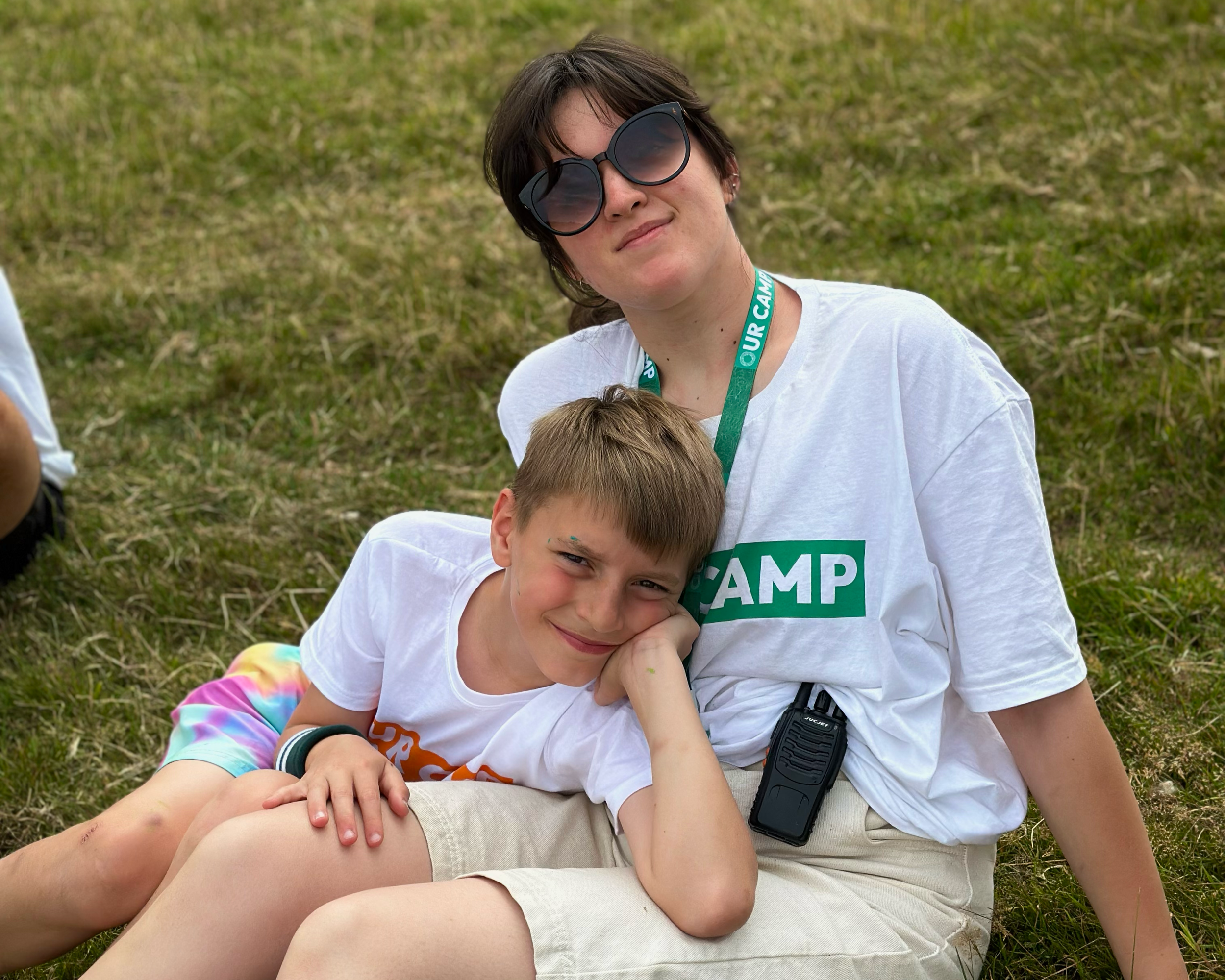
A summer camp for ages 9–11
Ages 9–11: First Independence and Feeling at Home
(A summer camp for ages 9–11)
For many children, this is their first time spending several nights away from home. That alone makes a summer camp for ages 9–11 a powerful experience.
At this stage, children learn independence gently. They practice daily routines, share rooms, and take part in group activities — all while being supported by caring staff who help them feel secure. Confidence grows naturally as children realise they can manage new situations and make friends on their own.
By the end of camp, parents often notice greater self-belief and resilience.

A summer camp for ages 12–14
Ages 12–14: Confidence, Friendship, and Self-Expression
(A summer camp for ages 12–14)
Early adolescence is a time of change. Friendships become more important, confidence can fluctuate, and children begin to explore who they are.
A summer camp for ages 12–14 provides space to do this in a positive, pressure-free environment. Living together helps friendships form quickly, while group challenges encourage communication, teamwork, and empathy. Away from screens and school expectations, campers often feel freer to try new activities and express themselves.
These experiences help build emotional confidence that lasts well beyond summer.

A summer camp for ages 15–17
Ages 15–17: Independence, Leadership, and Looking Ahead
(A summer camp for ages 15–17)
For older teens, summer camp becomes a stepping stone toward adulthood.
At a summer camp for ages 15–17, young people are given greater responsibility — managing time, supporting younger campers, and making decisions within a structured environment. Leadership develops naturally, along with confidence in social and unfamiliar settings.
For Ukrainian and international teenagers, this stage also strengthens cultural awareness and adaptability — valuable skills for future education, travel, and work.
Why Residential Camp Makes the Difference
What connects every age group is immersion. Living together — from morning activities to evening campfires — creates a sense of belonging that day-only programmes can’t replicate.
A residential setting allows campers to:
Build independence step by step
Form deeper friendships
Develop confidence in a supportive environment
Return home with lasting memories and life skills
Final Thoughts
Children don’t grow in the same way at every age — and the best summer camps recognise this. By supporting each stage of development with care and intention, Our Camp creates experiences that stay with children long after summer ends.
From a first night away at age 9 to growing independence at 17, the right summer camp can be a turning point — one that shapes confidence, character, and connection.

Discover how children and teenagers aged 9–17 benefit from residential summer camps in the UK — from confidence and friendships to independence and leadership.